
The complete guide
Choosing and using a hand fly swatter
Why a swatter still wins
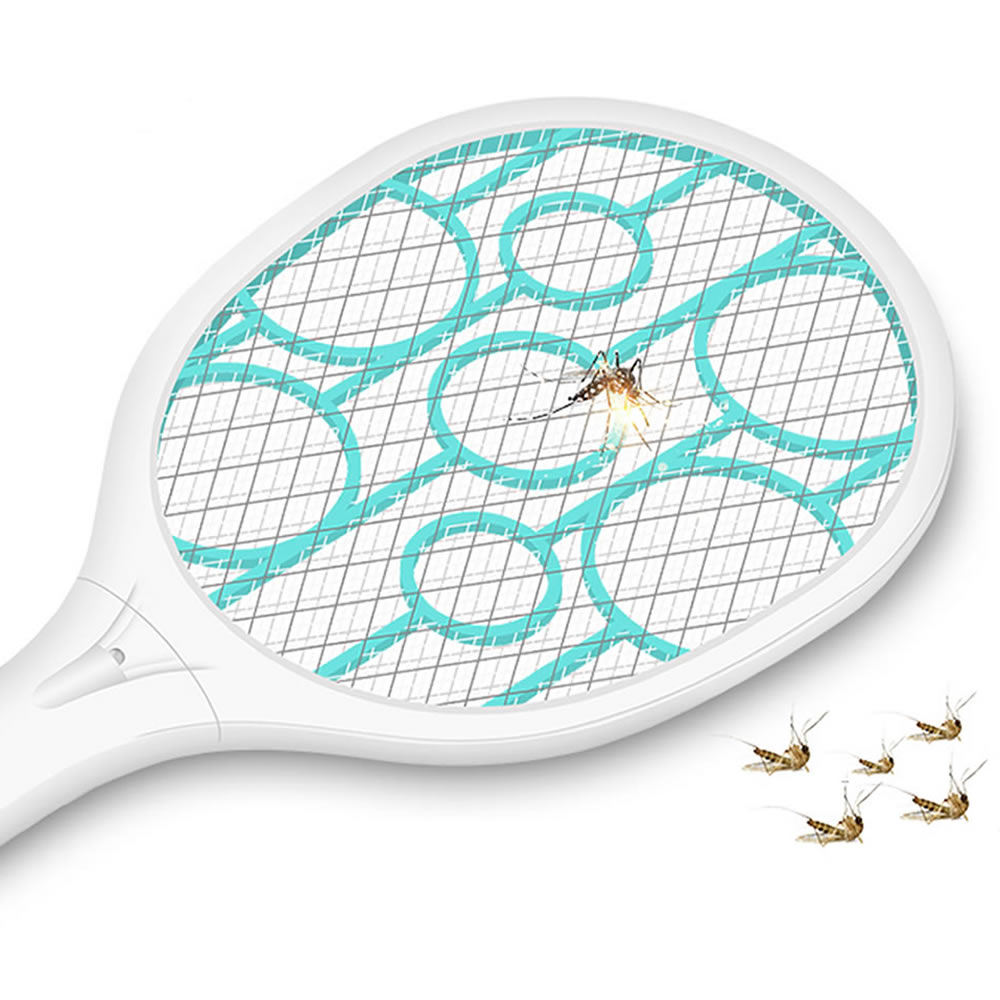
There is a long list of ways to kill a fly and most of them are worse than the oldest one. A spray puts chemicals into the room you are cooking in. A plug-in takes hours. A rolled magazine works and leaves a mark on the wall.
A swatter is instant, costs nothing to run, and puts nothing in the air. The fly lands, you deal with it, and that is the end of it.
What makes one good
Two things, and neither is obvious until you have used a bad one.
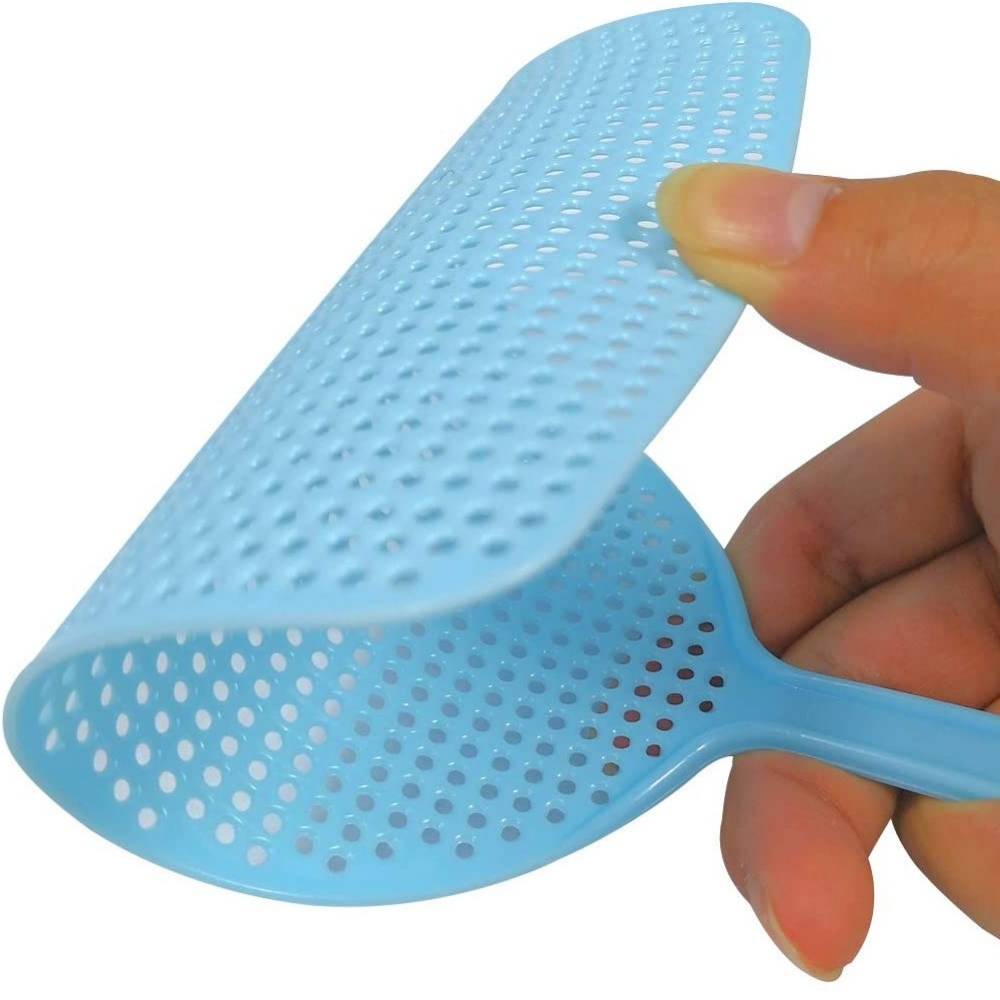
The first is the size of the head. A small swatter needs an accurate swing, and almost nobody swings accurately at something that moves. The 11.2 x 12.5 cm head here is wide enough that being roughly right is good enough.
The second is flex. A rigid swatter either bounces off or dents whatever is behind the fly. This one is ABS plastic chosen to bend on impact, which is why it lands on a painted wall or a worktop without leaving anything behind.
The handle matters more than you would think
Flies do not settle at chest height. They pick ceilings, the tops of door frames, high corners and the far side of a kitchen counter.
At 43 cm this reaches most of that from where you are standing. The alternative is dragging a chair over, by which time the fly has moved.
Why five
This is the part that sounds like padding and is not.
The problem with owning one swatter is that it is never in the room you need it in. You go to fetch it, the fly relocates, and you give up. Hang one in the kitchen, one by the back door, one on the patio and one in the shed, and the fly is dealt with in the two seconds after it lands rather than not at all.
The hanging hole in each handle is what makes that work. A swatter in a drawer is a swatter you will not use.
Using it well
Aim slightly behind and above the fly rather than directly at it. Flies take off backwards and upwards, so that is where it is going, not where it is.
Swing fast rather than hard. Speed is what closes the gap before it reacts; force just pushes a cushion of air ahead of the swatter that can shove a light insect out of the way.
Afterwards, scoop it up with the head and flick it into the bin. Rinse the swatter under the tap now and then and let it dry.
It is not a substitute for a screen
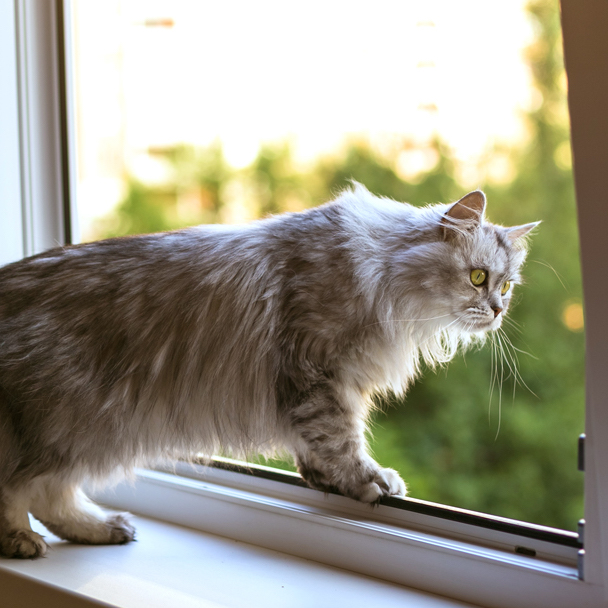
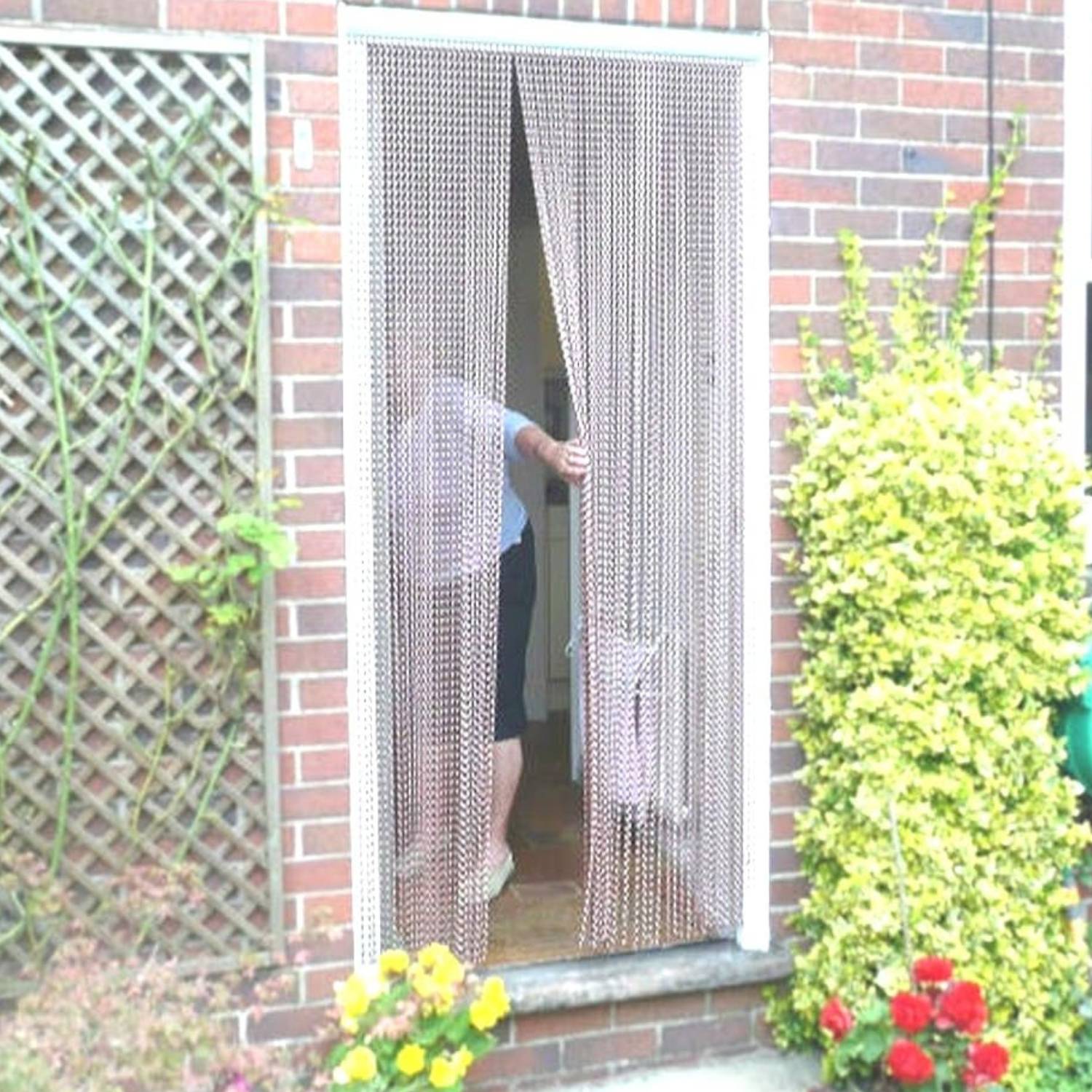
Worth saying plainly, because it is the same answer for every swatter we sell. A window or door screen stops flies getting in at all, which will always beat dealing with them once they are inside. The swatter is for the ones that got in before you closed up.